

About us
WindowWatt is a forward-thinking cleantech startup at the forefront of BIPV (Building-Integrated Photovoltaic) technology, redefining how buildings generate and use energy. We specialize in innovative renewable energy and green building solutions designed to make cities more sustainable and energy-efficient. Our flagship innovation — semi-transparent solar glass — transforms ordinary building surfaces into power-generating assets, turning windows, facades, balconies, curtain walls, and skylights into active sources of clean energy.
Driven by a commitment to sustainability, WindowWatt integrates smart design, advanced materials, and solar innovation to advance the global Net Zero mission. By enhancing urban energy efficiency and enabling self-sustaining, energy-positive architecture, we are building a future where every structure contributes to a cleaner planet.
Empowering architecture. Energizing cities. Enabling a sustainable tomorrow.
Solar panel:-
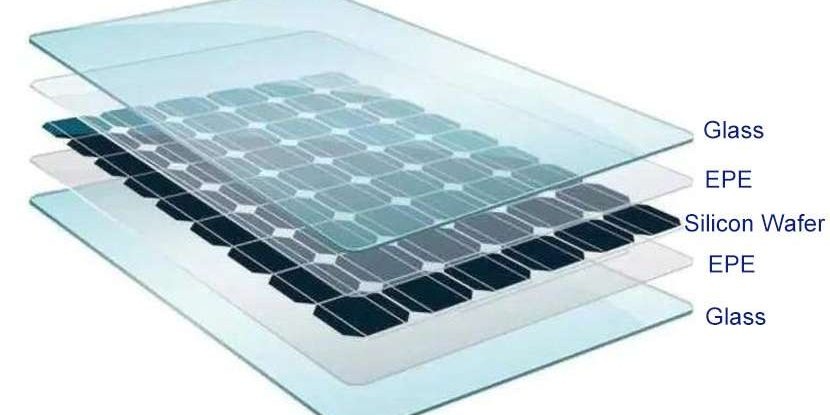
The Anatomy of a Solar Panel: Built for Power and Protection
Understanding how a solar panel is constructed reveals why it’s a durable and efficient source of clean energy. The panel is a sophisticated sandwich of layers, each playing a vital role in converting sunlight into electricity and protecting the sensitive components within.
Layer-by-Layer Breakdown
As shown in the diagram, a standard solar panel typically features the following key layers:
- Front Glass (The Defender): The top layer is a piece of highly transparent, tempered glass. Its primary job is to maximize light transmission to the cells while providing robust protection against harsh weather elements like hail, snow, wind, and debris.
- EPE (Encapsulant Layer): The first layer of EPE (often made of EVA or similar materials) is placed directly beneath the top glass. This layer encapsulates the silicon cells, cushioning them and sealing them off from moisture, dust, and air, which is critical for long-term performance and durability.
- Silicon Wafer (The Heart): This is the core of the solar panel, made up of individual photovoltaic (PV) cells. These cells, typically crystalline silicon wafers, are responsible for the photovoltaic effect—converting sunlight directly into DC (direct current) electricity.
- EPE (Encapsulant Layer): Another layer of EPE is placed beneath the cells, providing the same essential insulation, cushioning, and sealing benefits from the bottom side.
Advanced Protective Glazing Systems:-
Our Advanced Protective Glazing Systems are engineered to deliver the perfect balance between natural daylight, heat control, privacy, and energy efficiency. Designed for both residential and commercial applications, these smart glazing solutions enhance building performance while improving comfort and aesthetics.
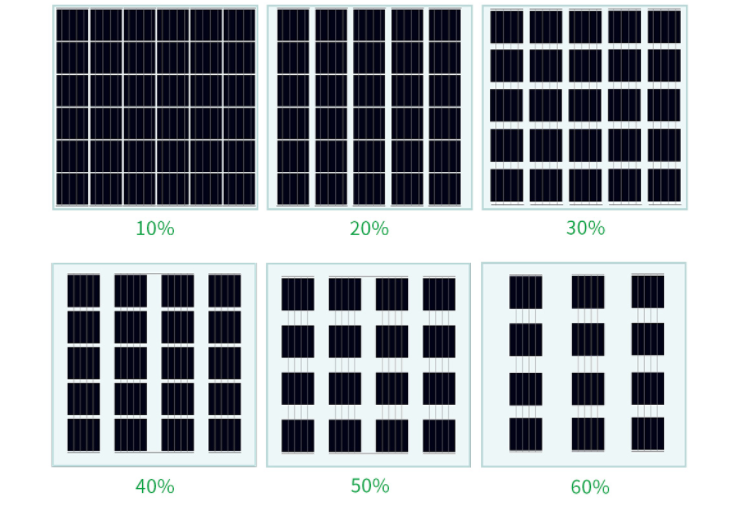
By varying the glazing coverage from 10% to 60%, we provide customized protection levels to suit different architectural and environmental needs:
10% – Light Protection: Ideal for areas that require maximum daylight with minimal shielding.
20% – Mild Heat Control: Reduces glare while maintaining brightness.
30% – Balanced Visibility & Safety: Offers improved UV and heat resistance.
40% – Enhanced Thermal Protection: Helps regulate indoor temperature efficiently.
50% – High Performance Shielding: Strong protection against heat, glare, and external exposure.
60% – Maximum Protection & Privacy: Best for extreme weather control and high-security zones.
Key Benefits:
✔️ Reduces heat & UV radiation
✔️ Enhances indoor comfort
✔️ Improves energy efficiency
✔️ Strengthens glass durability
✔️ Adds privacy without blocking natural light
✔️ Suitable for homes, offices, malls & high-rise buildings
Our glazing systems are built using high-quality materials and advanced coating technology to ensure long-lasting performance, safety, and superior visual appeal.
Our Vision
Beyond Rooftops
Rooftop solar is just the beginning of the clean
energy revolution
Transform Everything
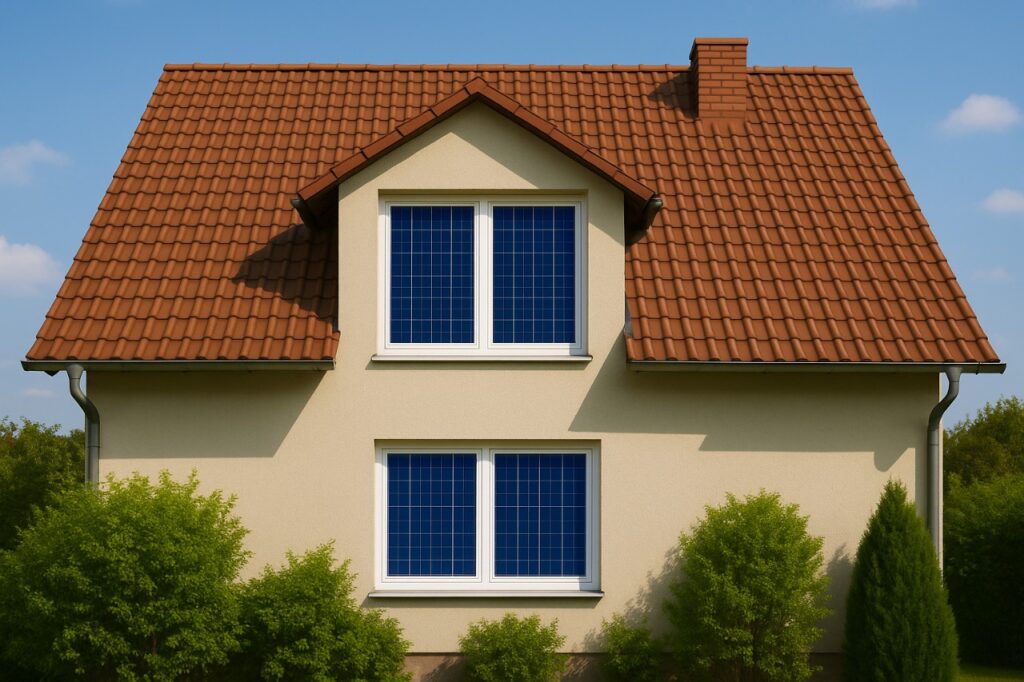
WindowWatt transforms glass and building
structures into powerful clean energy generators
Solar Districts
Together, we can make every city a thriving Solar District
The Urban Energy Challenge
Space Constraints
High-rise buildings and urban towers face severely limited
rooftop space for traditional solar installations
Design Conflicts
Conventional solar panels often clash with architectural
aesthetics and require dedicated maintenance access
Growing Demand
Urban energy consumption continues rising while sustainable,
space-efficient solutions remain scarce
Traction & Validation
| TRL Level | 6 (Product tested and validated) |
| Prototypes | Initial prototypes deployed |
| Customer Interest | Enquiries and Letters of Interest received |
| Feedback | Positive from architects and consultants |
Our product has reached Technology Readiness Level 6. Initial prototypes are successfully deployed. We’ve received strong customer interest and positive feedback. Architects and sustainability consultants praise our solution.
Patent no-202431081886 (Published) Title of Invention-Energy efficientsolar window system with